


-

Add: HeBei ShengShi HongBang Cellulose Technology CO.,LTD.
-

Email
13180486930@163.com -

CONTACT US
+86 13180486930

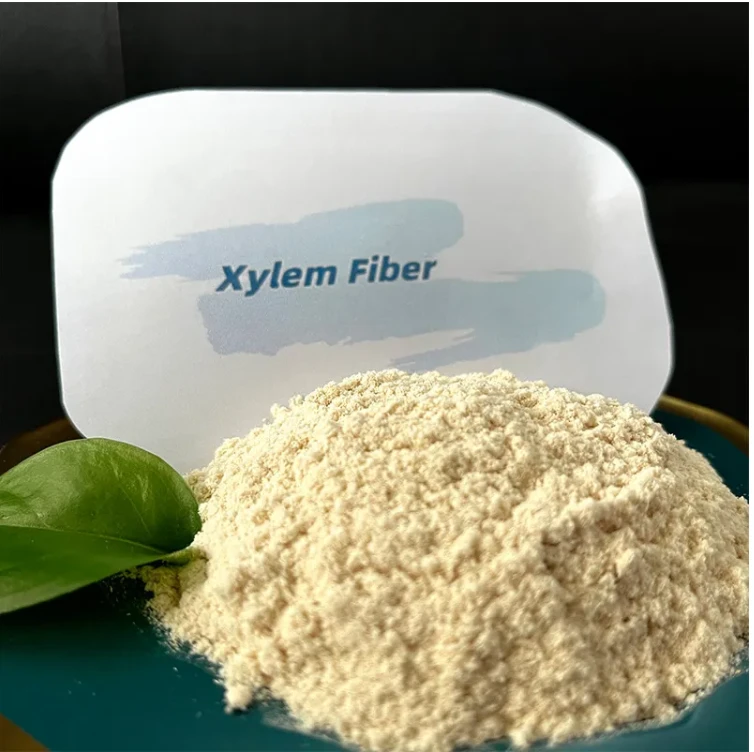
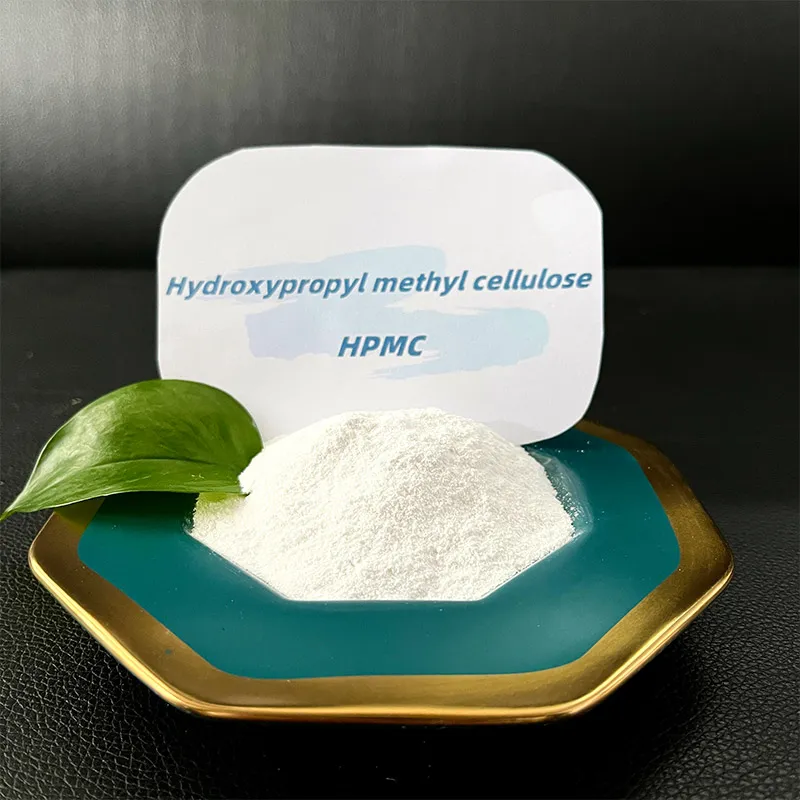


Polypropylene fiber is a key solution in the manufacturing industry, specifically within Manufacturing of building materials and Concrete admixture. This article explores how HeBei ShengShi HongBang Cellulose Technology CO.,LTD. supports professionals with durable, high-performance products, and explains why this product is an ideal choice for businesses in these sectors. Table of Contents Polypropylene Fiber Overview Benefits & Use Cases of Polypropylene Fiber in Concrete Admixture Cost, Maintenance & User Experience Sustainability & Market Trends in Manufacturing Conclusion on Polypropylene Fiber from HeBei ShengShi HongBang Cellulose Technology CO.,LTD. Polypropylene Fiber Overview In the dynamic realm of modern construction and infrastructure, the integrity and longevity of building materials are paramount. This is where polypropylene fiber emerges as a crucial additive, significantly enhancing the performance of concrete. As a microfiber synthetic solution, it plays a vital role across the entire manufacturing supply chain, particularly within the Manufacturing of building materials sector, and more specifically in Concrete admixture applications. These fibers are meticulously engineered to disperse uniformly throughout the concrete matrix, acting as a microscopic reinforcement system. When mixed into fresh concrete, pp fiber helps to mitigate plastic shrinkage cracking, which is a common issue during the curing process. Its technical specifications typically include varying lengths and diameters, tailored to specific application demands, offering excellent chemical resistance, non-corrosive properties, and high tensile strength. HeBei ShengShi HongBang Cellulose Technology CO.,LTD. stands as a reliable manufacturer, providing high-quality polypropylene fibre solutions that meet rigorous industry standards, ensuring superior performance for your concrete projects. Benefits & Use Cases of Polypropylene Fiber in Concrete Admixture The integration of polypropylene fiber into concrete mixtures offers a myriad of benefits, making it an indispensable component in many Concrete admixture applications. Its primary function is to provide multi-directional reinforcement, effectively controlling and reducing the formation of micro-cracks that occur during plastic settlement and drying shrinkage. This leads to significantly enhanced durability and improved service life for concrete structures. Specific applications are wide-ranging and include slabs-on-grade, industrial flooring, precast concrete elements, shotcrete, pavements, and overlays. The inclusion of pp fiber concrete also boosts impact resistance, abrasion resistance, and freeze-thaw durability, crucial for structures exposed to harsh environmental conditions. Compared to traditional reinforcement methods, microfiber synthetic solutions like ours are easier to mix and distribute, ensuring a more consistent and robust final product. HeBei ShengShi HongBang Cellulose Technology CO.,LTD. possesses extensive expertise in developing and supplying premium polypropylene fibre tailored for these demanding applications, ensuring that our clients achieve optimal structural performance and longevity. Cost, Maintenance & User Experience While the initial cost of integrating polypropylene fiber might be a consideration, the total cost of ownership (TCO) reveals a compelling return on investment (ROI) for B2B decision-makers in the Manufacturing of building materials sector. By significantly reducing plastic shrinkage cracking and enhancing the overall durability of pp fiber concrete , the need for costly repairs and maintenance over the lifespan of the structure is dramatically minimized. Our polypropylene fibre concrete results in fewer defects and an extended service life, translating directly into long-term savings. Feedback from our customers consistently highlights the ease of integration and the tangible improvements in concrete performance. Users report excellent workability with our microfiber synthetic products, experiencing smooth mixing and placement without compromising the concrete’s rheology. Furthermore, the enhanced resistance to impact and abrasion means that surfaces remain aesthetically pleasing and structurally sound for longer, a critical factor for facilities and infrastructure where appearance and safety are paramount. HeBei ShengShi HongBang Cellulose Technology CO.,LTD. is committed to delivering products that not only perform exceptionally but also offer true economic value. Sustainability & Market Trends in Manufacturing In today's global manufacturing landscape, sustainability is no longer an option but a necessity. The adoption of polypropylene fiber in concrete admixture aligns perfectly with the drive towards more sustainable building practices. By extending the lifespan of concrete structures and reducing the incidence of early-age cracking, pp fiber concrete contributes to resource efficiency, as less material needs to be repaired or replaced over time. This reduces the carbon footprint associated with maintenance and new construction. The market trend in the Manufacturing of building materials points towards high-performance, durable, and environmentally responsible solutions. Regulatory frameworks are increasingly emphasizing product longevity and reduced environmental impact, making polypropylene fibre an increasingly attractive option. HeBei ShengShi HongBang Cellulose Technology CO.,LTD. is proud to be a forward-thinking and eco-conscious supplier, continually innovating our microfiber synthetic products to meet these evolving demands. We are dedicated to supporting our partners in achieving their sustainability goals while delivering uncompromising quality and performance. Conclusion on Polypropylene Fiber from HeBei ShengShi HongBang Cellulose Technology CO.,LTD. The strategic incorporation of polypropylene fiber is undeniably a smart investment for any entity operating within the manufacturing of building materials, especially in Concrete admixture. From its unparalleled ability to control plastic shrinkage cracking and enhance durability to its contributions to sustainable construction, pp fiber concrete offers a distinct competitive advantage. HeBei ShengShi HongBang Cellulose Technology CO.,LTD. is renowned for its commitment to quality, innovation, and customer satisfaction, providing top-tier polypropylene fibre solutions that empower businesses to build stronger, more resilient structures. Choose our advanced microfiber synthetic products to ensure your projects stand the test of time and deliver exceptional long-term value. Partner with us to elevate your concrete performance. Contact us: email: 13180486930@163.com Visit our website: https://www.sshbhpmc.com
- 40000tons

Production
- 20+years

Experience
- 5000+㎡

Acreage

-
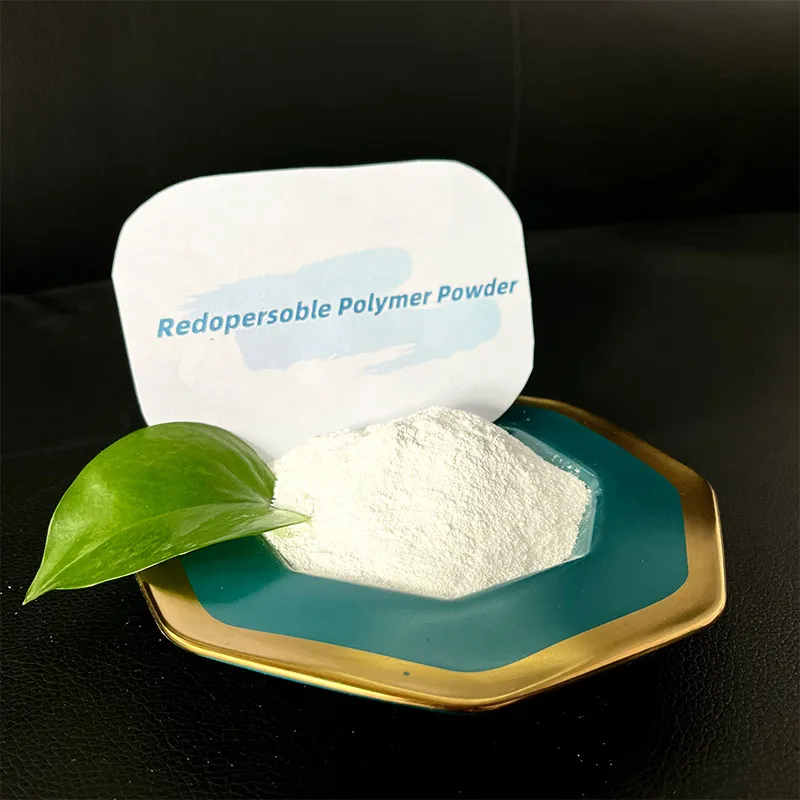
In the competitive wholesale construction additives market, suppliers prioritize solutions that enhance workability without compromising structural integrity. Cream of tartar plaster retarder is celebrated for extending setting times while preserving end strength—a critical advantage for large-scale projects. This article explores how strategic retarder selection optimizes gypsum formulations, spotlighting key additives for bulk procurement. We’ll examine synergies between cream of tartar plaster retarder , extra time plaster additive , retarder in gypsum , easy mix plaster retarder , and trisodium citrate plaster retarder in industrial applications. Understanding How Cream of Tartar Plaster Retarder Preserves Structural Integrity Cream of tartar plaster retarder (potassium bitartrate) uniquely modifies gypsum crystallization, delaying set time while minimizing microstructural defects. Its organic composition promotes denser crystal matrices, directly enhancing long-term durability. For wholesalers, this translates to reliable performance in demanding environments like high-humidity warehouses or intricate architectural molds. When integrated with retarder in gypsum systems, it ensures homogenous dispersion across bulk batches—reducing onsite inconsistencies. Projects specifying cream of tartar plaster retarder report fewer structural callbacks, validating its role in resilient infrastructure. Compared to synthetic alternatives, its natural origin appeals to eco-conscious contractors seeking sustainable solutions. Extra Time Plaster Additive: Synergizing Workability and Endurance in Bulk Formulations The extra time plaster additive revolutionizes large-scale pours by extending application windows without strength trade-offs. It counteracts premature drying in expansive slabs or curved surfaces, ensuring uniform hydration depth. Wholesale blends combining this additive with retarder in gypsum demonstrate superior tensile strength and reduced micro-cracking. Distributors note significant waste reduction when supplying extra time plaster additive -enhanced mixes for mega-projects like airport terminals, where material consistency is non-negotiable. Temperature-resilient variants further broaden its global wholesale appeal, especially in tropical climates where rapid setting compromises integrity. Optimizing Retarder in Gypsum Systems for Maximum Strength Output Selecting the ideal retarder in gypsum dictates both workability and cured resilience. Over-reliance on traditional options risks porosity, whereas precision-engineered trisodium citrate plaster retarder offers linear strength retention. Its chelation mechanism enables controllable delay while maintaining density—critical for high-load panels and fire-rated assemblies. Bulk trials reveal trisodium citrate plaster retarder outperforms conventional retarders in flexural strength, especially when blended with cream of tartar plaster retarder for synergistic effects. Wholesalers catering to green construction projects prioritize citrate-based solutions, as they meet stringent environmental certifications without performance sacrifices. Easy Mix Plaster Retarder: Streamlining Consistency for High-Volume Orders Easy mix plaster retarder redefines bulk handling with instant-dissolve granules that prevent clumping in industrial silos. Its flow-enhanced properties guarantee uniform distribution across multi-ton batches—essential for prefabricated gypsum board plants. Distributors report streamlined logistics when substituting powdered additives with easy mix plaster retarder , citing reduced mixing time and rejection rates. Compatibility with extra time plaster additive creates turnkey solutions for precast factories, where delayed set times must remain consistent from the first to final pallet. This reliability cements long-term partnerships with high-volume contractors. FAQs : Cream of Tartar Plaster Retarder How does cream of tartar plaster retarder influence curing in thick-section applications? It regulates moisture release during hydration, preventing surface crusting and ensuring core strength development—essential for structural columns or deep pours. Can extra time plaster additive mitigate thermal cracking in mass pours? Absolutely. Its moisture-retention technology counters rapid evaporation in high-heat environments, maintaining plasticity throughout extended placement windows. Why opt for trisodium citrate plaster retarder in structural hybrid systems? Its pH-neutral chemistry prevents deleterious reactions with steel reinforcement or adjacent concrete, ensuring lifelong structural cohesion. Is easy mix plaster retarder viable for automated dry-batch facilities? Yes. Its granular morphology integrates flawlessly with pneumatic conveyors and robotic dispensers, optimizing production-line efficiency. How do humidity conditions affect retarder in gypsum stability during storage? Premium variants like cream of tartar plaster retarder maintain efficacy in climate-controlled warehouses, though sealed packaging is recommended for tropical regions.
-
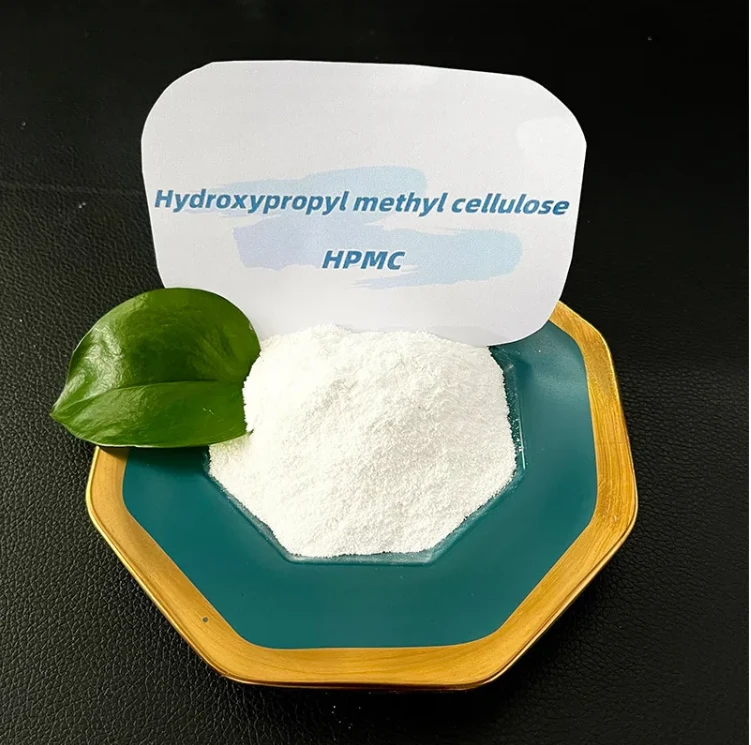
Die Verwendung von HPMC CMC in der modernen Industrie hat sich als bahnbrechend erwiesen. HPMC (Hydroxypropylmethylcellulose) und CMC (Carboxymethylcellulose) gelten in vielen Herstellungsprozessen als essenzielle Bestandteile. Diese Polymeren werden häufig in der Pharma-, Lebensmittel- und Bauindustrie eingesetzt. Einer der Hauptvorteile von HPMC ist seine Vielseitigkeit . In der pharmazeutischen Industrie verbessert es die Bioverfügbarkeit von Medikamenten und gewährleistet eine kontrollierte Freisetzung von Wirkstoffen. Dies wird durch die Film-bildenden Eigenschaften von HPMC ermöglicht, die es zu einer bevorzugten Wahl für die Herstellung von Medikamentenkapseln und Tabletten machen. Ärzte und Apotheker weltweit vertrauen auf den stabilen und zuverlässigen Einsatz dieser Substanz. Die Wirksamkeit von CMC zeigt sich hingegen besonders im Lebensmittelbereich. Als Verdickungsmittel in Saucen und Getränken gewährleistet CMC eine gleichmäßige Konsistenz und verbessert die Mundgefühl des Produkts. Seine Verwendung in glutenfreien Brotprodukten bietet zudem eine ideale Lösung für Konsumenten mit speziellen Ernährungsbedürfnissen. Zudem ist CMC dafür bekannt, die Haltbarkeit von Lebensmitteln zu verlängern, was zu einer Reduzierung von Lebensmittelabfällen führt. Die enge Zusammenarbeit mit Ernährungswissenschaftlern und Lebensmitteltechnikern unterstreicht die Bedeutung und das Vertrauen in die Anwendbarkeit von CMC. Im Bauwesen steigert HPMC die Klebekraft von Mörtel und verbessert die Beständigkeit von Fassaden und anderen Baumaterialien. Dies trägt nicht nur zur Langlebigkeit von Bauwerken bei, sondern ermöglicht auch innovatives Design unter heutigen klimatischen Herausforderungen. Internationale Bauunternehmen schätzen HPMC für seine Stabilität und Anpassungsfähigkeit unter verschiedenen Wetterbedingungen. HPMC ist CMC Gerade in einem globalen Markt ist die Glaubwürdigkeit eines Produkts entscheident. Daher achten Hersteller von HPMC und CMC strikt auf Qualitätskontrollen. ISO-Zertifizierungen und regelmäßige Inspektionen durch unabhängige Labore dienen der Sicherstellung höchster Standards. Dies schafft Vertrauen bei Investoren, Anwendern und Endkonsumenten gleichermaßen. Die enge Zusammenarbeit mit renommierten Forschungseinrichtungen weltweit fördert zudem die kontinuierliche Weiterentwicklung dieser Polymerstoffe. Experten sind ständig bemüht, die Effizienz und Qualität der Materialien zu verbessern, um neue Anwendungsgebiete zu erschließen. Diese Partnerschaften tragen dazu bei, den technologischen Fortschritt und die wirtschaftliche Wettbewerbsfähigkeit zu sichern. In einer sich ständig verändernden Welt zeigt der Einsatz von HPMC und CMC, wie chemische Innovationen grundlegende Herausforderungen bewältigen können. Um mit der rasanten Technologieentwicklung Schritt zu halten, ist es entscheidend, die neuesten Forschungsergebnisse zu nutzen und gleichzeitig auf ethisch vertretbare und nachhaltige Herstellungsverfahren zu setzen. Die Zukunft sieht große Potenziale für eine noch breitere Anwendung dieser wichtigen Stoffe, die über rein funktionale Aspekte hinaus auch eine ökologische Verantwortung tragen. Zusammenfassend lässt sich sagen, dass HPMC und CMC nicht nur wegen ihrer funktionellen Eigenschaften unentbehrlich sind, sondern auch wegen ihrer weitreichenden Auswirkungen auf verschiedene Branchen. Durch die Kombination von praktischer Anwendbarkeit und wissenschaftlicher Exzellenz werden sie unverzichtbare Elemente einer modernen, nachhaltigen Produktion weltweit.
advantages
-

200000 Viscosities
Excellent product
We can produce pure products up to 200,000 viscosities
-

40000 tons
High yield
We don’t stop production all year round, and the annual output can reach 40,000 tons
-

24 hours
Quality service
We provide 24-hours online reception service, welcome to consult at any time
———— Inquiry Form
Schedule A services


-
 pati_eter_dalam_perekat_ubin
Oct . 25, 2025
Hydroxypropyl methylcellulose, commonly abbreviated as HPMC, is a pivotal compound in various indust -
 sample_available
Oct . 25, 2025
Hydroxypropyl methyl cellulose (HPMC) serves as a multifunctional polymer , gaining prominent attent -
 rubber_powder_wikipedia
Oct . 25, 2025
In the pursuit of sustainable and renewable materials, few substances hold as much promise as fibre


